Web design built for how people actually read
Visitors scan a page, they don't read it top to bottom. We design layouts that put the right message, proof and next step where people look, in Figma, before anything gets built. Every layout is approved in Figma, then built in Webflow by the same team as a component system your marketers extend.
Good fit if you need

Web design services
we offer

Website Strategy & Structure
A discovery call and questionnaire to pin down goals, visitors, positioning and competitors, then the sitemap and page priorities that follow from them.

UX Design
User flows and wireframes that decide what each page says and in what order, before any visual work starts.

Visual Direction
Moodboards and references to agree on the look and tone early, so the homepage concepts start from a shared direction.

UI Design
Full page designs in Figma, built as a component system so new pages stay consistent with the rest of the site.

Interactions & Animations
Smooth interactions and animations, designed in Figma and built in Webflow, used where they help the page rather than everywhere.

Responsive Optimization
Layouts planned for every screen size and checked on real devices, so the site works as well on a phone as on a desktop.

SEO Optimization
Clean page structure, metadata, internal links and fast load times built in from the start, so the site is ready for search on launch day.

Design Handover & Implementation
Approved designs go straight into our Webflow build, so nothing gets lost between design and development.
Web design process
Good design is less about taste and more about consistency and clarity. People scan pages, so where a message, an image or a button sits matters more than how much text fits in the hero. Every design project is handled by our designer, Balázs, working directly with Hunor, who leads the build. It all happens in Figma, where changes are quick and cheap.
Discovery
We start with a discovery call and a questionnaire: what the site needs to achieve, who will visit it, how you're positioned, the visual direction you have in mind, and who your competitors are. Brand guidelines help. If you don't have them, we can do the branding too.
UX structure
We map the sitemap, user flows and wireframes, so the structure is agreed before any visual work starts. Sometimes the client already knows the content. Zablen came to us with every page and all the copy decided, so our job was the UX and UI: how each page should be laid out so the message actually landed.
Homepage concepts
We design three homepage concepts. You pick one, and we refine it through two revision rounds.
Remaining pages
The rest of the pages follow the approved homepage, delivered in batches, each with two revision rounds.
Feedback
We ask whether a page gets its point across, not only whether you like it. When we push back on a change, we explain why, usually because of where visitors look first and what they'll skip.
From Figma to Webflow
Once the designs are approved, we build them in Webflow. We only take on design together with the build, because keeping both in one team is what keeps the finished site faithful to the design.
Most design projects take six to seven weeks, depending on the number of pages and how quickly feedback comes back. Design is quoted together with the Webflow build. Projects start at $10,000; most land between $10,000 and $20,000, fixed before we start.
What your team gets at handover


Working with us


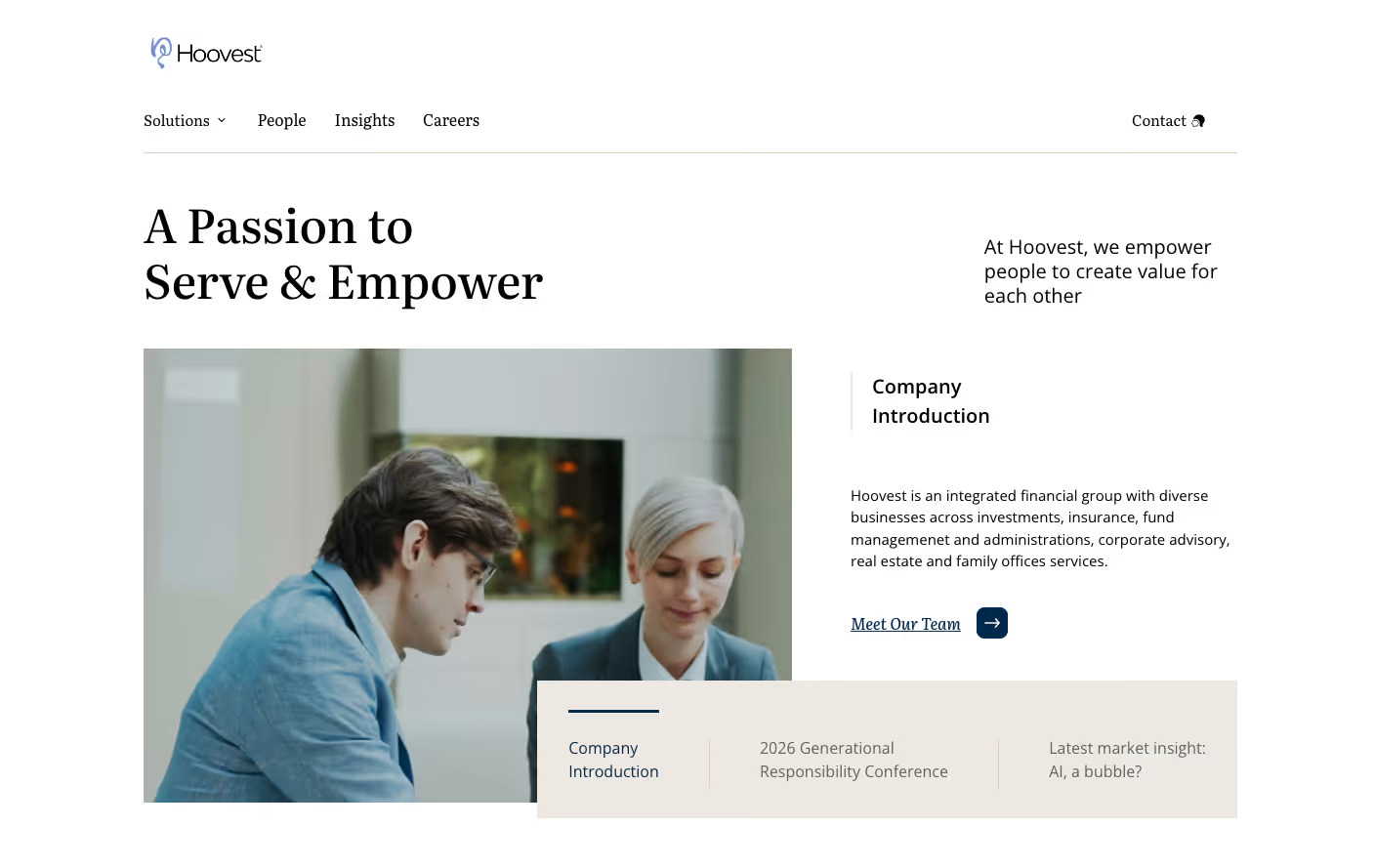
As the only B2B marketer on my team, I'm responsible for a lot of things, and not having to worry about the website has made my life so much easier.



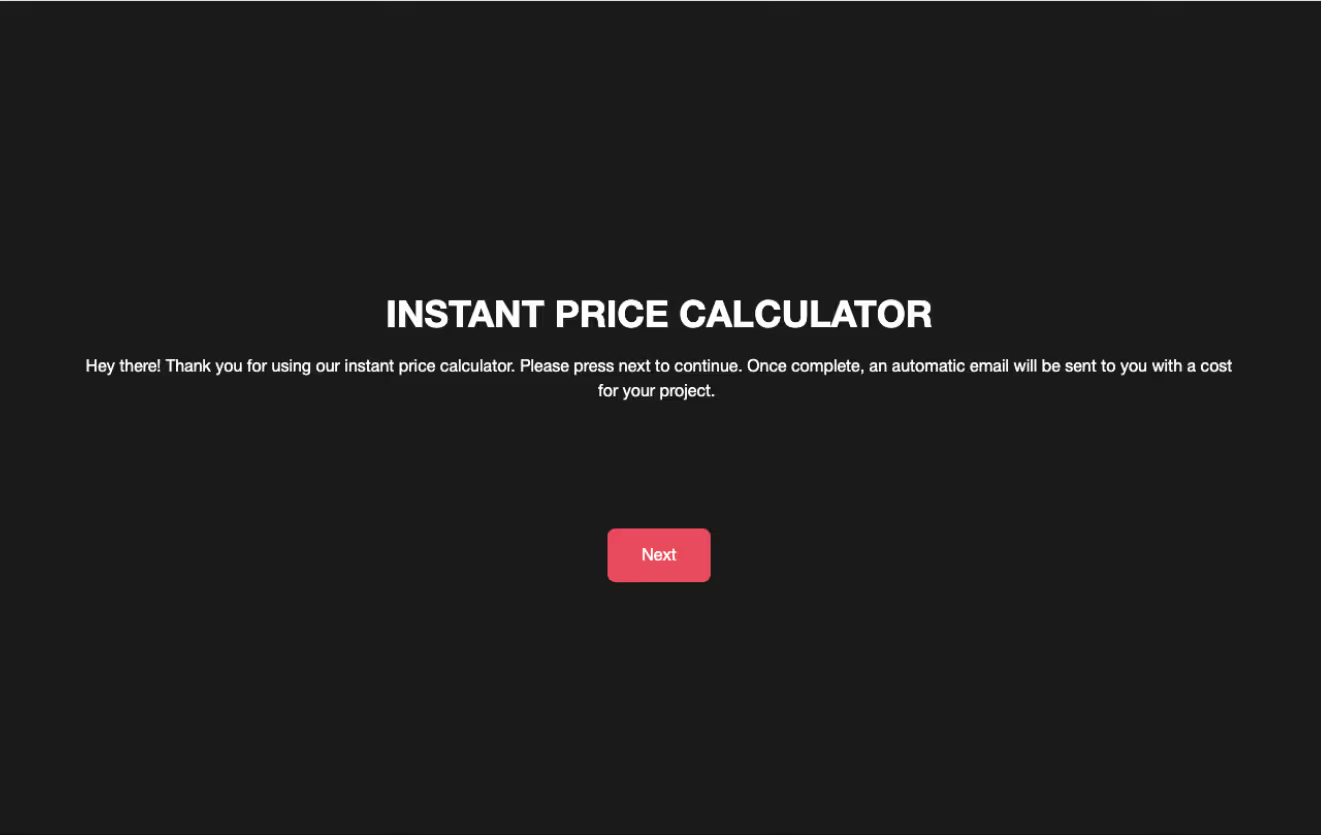
Instead of filling out a standard contact form, most clients now head straight to the calculator to get an instant estimate delivered to their inbox. From a commercial perspective, it's been absolutely invaluable.


Some of the best operators I've ever worked with, and I've been building websites for almost thirty years.



Hesitant to do this testimonial because I don't want anybody to fill up his calendar. But I can't recommend Hunor highly enough.



More than delivered against our expectations: collaborative, cost-effective, and exactly to the timeline.


Meet your dedicated
web designer

Brigitta
Frequently asked questions
What's included in web design?
Discovery, sitemap, user flows and wireframes, visual direction, three homepage concepts, full page designs in Figma with two revision rounds, then the Webflow build.
How long does the design phase take?
Typically six to seven weeks, depending on the number of pages and how quickly feedback comes back.
Can you work with an existing brand?
Yes. We design within your brand guidelines. If you don't have any, we can do the branding too.
Can you work with our copy?
Yes. We set the structure: what goes where and why. The final copy can come from you or your copywriter, or we can suggest copy for you to approve.
Do you take design-only projects?
No. We design only when we also build the site in Webflow. Keeping both in one team is what keeps the finished site faithful to the design.
What do you need from us to start?
A discovery call and our questionnaire: your goals, your visitors, your positioning, examples you like and dislike, and your competitors. Brand guidelines help if you have them.
How do feedback and revisions work?
You pick one of three homepage concepts, and we refine it through two revision rounds. The other pages follow in batches, each with two rounds. We ask whether a page gets its point across, not only whether you like it.
What does web design cost?
Design is quoted together with the Webflow build. Projects start at $10,000; most land between $10,000 and $20,000, fixed before we start.
Do you design pages we will never build?
No. We design the homepage three ways, then the remaining templates. Pages your team creates later come from those templates and components, not from new designs.
Do you design mobile layouts as well as desktop?
Yes. Mobile is designed, not derived. Layouts that need to change at smaller breakpoints are designed explicitly, so the developer is not guessing how a section should collapse. Responsive behavior is then validated again during the build.